
Last updated:
Norman Island offers some of the best Norman Island scuba diving opportunities in the British Virgin Islands. This uninhabited island sits in the Lesser Antilles and features pristine underwater landscapes. Divers explore dramatic reefs, shipwrecks, and underwater caves here. The island attracts beginners and experienced divers alike. Crystal waters and abundant marine life make every dive memorable. No permanent population calls Norman Island home, keeping the reefs healthy and undisturbed.
Best Dive Sites in Norman Island
Norman Island features four main dive sites that attract divers worldwide. The Caves stand out as the most famous location. These underwater caverns sit on the island's southwest side. Divers swim through tunnels and emerge into cathedral like chambers. Shafts of sunlight pierce through the rock, creating stunning visual effects. The site works well for intermediate to advanced divers due to depth.
The Wreck Dive takes you down to the RMS Rhone. This British mail ship sank in 1867 during a hurricane. The wreck rests at varying depths between 25 and 80 feet. Divers explore the remains and spot schools of fish living inside. Coral now covers much of the structure. The site suits intermediate divers who have wreck experience.
Spyglass Point sits on Norman Island's western edge. This shallow reef system reaches only 30 to 50 feet deep. Beginners can safely explore the colorful coral formations here. Small fish dart between branching corals. Sea turtles occasionally glide past divers. The calm waters make it perfect for building confidence underwater.
Norman's Reef runs along the island's eastern side. This sloping reef descends gradually to 80 feet. Divers encounter massive brain corals and parrotfish. Eagle rays sometimes visit the deeper sections. The reef suits intermediate divers exploring varying depths.
PRO TIP: Book dive trips early in the morning. Morning dives offer better visibility and calmer seas. Most operators depart between 8 and 9 AM from nearby Tortola.
Scuba Diving for Beginners in Norman Island
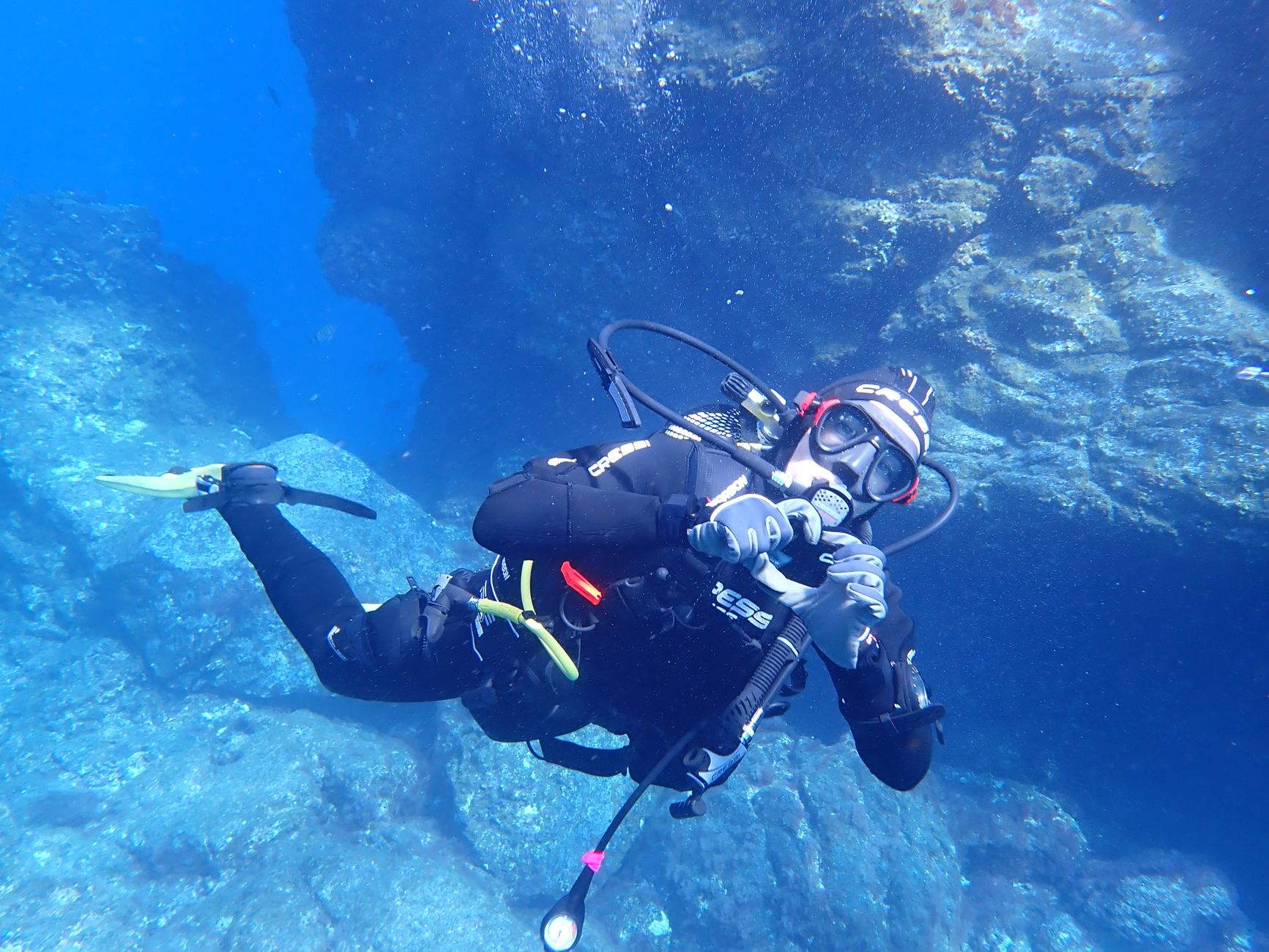
Beginning your scuba diving journey at Norman Island sets you up for success. The island's shallow reefs and calm waters build confidence quickly. Spyglass Point remains the top choice for new divers. Depths here max out around 50 feet, reducing pressure and nitrogen narcosis concerns. Coral walls start in just 20 feet of water. You can practice skills while enjoying marine life.
Most beginners earn their certification before arriving. The Open Water Diver course takes three days and covers fundamentals. Instructors teach you to equalize pressure, manage air, and respond to emergencies. You complete confined water training in a pool first. Then you do four open water dives with an instructor present. After certification, you can dive without an instructor supervising your every move.
If you arrive without certification, many operators offer discovery dives. These limit you to 40 feet depth with constant instructor supervision. You still experience the excitement of underwater exploration. The instructor handles technical decisions while you relax and observe. Discovery dives last about one hour. They cost less than full certification courses.
Beginner divers should bring or rent appropriate gear. A wetsuit keeps you warm in 28 degree Celsius water. Fins help you move efficiently without exhausting yourself. A dive computer shows your depth and remaining air. Underwater lights help you see colors at depth. Most dive shops rent quality equipment on site.
Start with two dives on your first day. Your body needs time adjusting to pressure changes. Rest between dives to avoid decompression issues. Eat light food and drink fresh water constantly. Avoid alcohol the night before diving. These simple steps prevent discomfort and keep diving safe.
Snorkeling in Norman Island
You don't need scuba certification to enjoy Norman Island's underwater world. Snorkeling puts you face-to-face with fish and corals. Snorkelers breathe through a tube at the surface. You float along without tanks or training. The experience takes minutes to learn but offers hours of enjoyment. Norman Island has excellent snorkeling spots right near popular dive sites.
The Caves area offers snorkeling from a boat drop-off. You float on the surface above the cave entrances. Fish congregate near the openings, making views spectacular. Colorful parrotfish munch on coral. Schools of silvery jacks dart past. You need minimal swimming skill for this experience.
Spyglass Point works perfectly for snorkelers too. The shallow water and abundant fish make it ideal. You can walk off a boat in five feet of water. Sea turtles browse the seagrass beds nearby. Spotted eagle rays glide overhead. Snorkeling here requires no dive experience.
Bring or rent a snorkel mask and fins. A mask with good seal keeps water out of your face. Fins help you move efficiently. Consider a rash guard if you have sensitive skin. Sunscreen works underwater but reef-safe options protect coral. Most boat operators provide masks and snorkels free with their tours.
Snorkeling trips typically last two to three hours. Operators visit two or three locations per trip. You get thirty to forty minutes in the water at each site. The boat captain chooses locations based on weather and visibility. Morning trips almost always offer better conditions. Expect to pay less for snorkeling trips than diving excursions.
PRO TIP: Wear a brightly colored snorkel vest even if you're a strong swimmer. Boat captains spot you more easily. The vest adds safety without restricting movement.
Dive Schools and Operators

Several dive operators service Norman Island from nearby Tortola. Most run daily boat trips to the dive sites. They pick divers up from hotels and marinas. The fifteen minute boat ride to Norman Island goes quickly. Operators provide tanks, weights, and regulators. You bring your personal mask, fins, and wetsuit or rent them on site.
Dive operators offer varied services. Some specialize in beginner training and certification. Others focus on advanced technical diving. Many run reef and wreck combination dives. Ask operators about their instructor certifications. Look for PADI or similar credentials. Check recent reviews on travel websites before booking.
Most operators depart between 8 and 9 AM. They return by early afternoon. A typical day includes two dives with lunch in between. Boat crews prepare food or take you to a restaurant. You should bring cash in US dollars. Many operators accept credit cards, but remote locations sometimes lack reliable payment systems.
Tank refills happen at operational bases on Tortola, not Norman Island. Operators plan dives to complete within single tank limits. Most recreational dives use 80 cubic foot aluminum tanks. Heavier steel tanks also exist but weigh more. Ask operators which tank types they have available. Know your comfortable air consumption rate before booking.
Group sizes typically range from four to eight divers per boat. Smaller groups receive more personalized attention. Larger groups cost less per person but feel more crowded. If you prefer intimate experiences, book private charters. These cost more but guarantee your exclusive use of the boat and crew.
What You Will See Underwater
Norman Island's reefs teem with colorful fish species. Parrotfish munch on coral all day long. You hear the crunching sounds underwater. These fish create sand as they poop. Spotted eagle rays glide silently overhead. Trumpetfish hide in coral waiting for small fish. Schoolmaster snapper form tight balls when startled. Queen angelfish drift past with their distinctive crown markings.
Larger species appear less frequently but thrill divers. Caribbean reef sharks patrol deeper sections. They show curiosity but pose no real threat. Groupers hide in caves and crevices. These fish can weigh over one hundred pounds. Turtles browse seagrass beds and rest on reefs. Manta rays visit certain locations during specific seasons. Spotted dolphins have appeared on rare occasions.
Coral formations dominate Norman Island's structure. Brain corals grow larger than vehicles. Staghorn coral branches reach toward sunlight. Sea fans sway with ocean currents. Soft corals drape reef walls like curtains. Fire coral stings exposed skin, so avoid touching it. Remember that coral grows extremely slowly. One careless fin kick damages years of growth. Look but never touch living coral.
Invertebrates often get overlooked but deserve attention. Sea urchins cover rock surfaces. Lobsters hide under ledges. Sea cucumbers move slowly across sand. Octopuses change color to hide. Starfish cling to coral. Nudibranchs display incredible colors and patterns. Bring a macro lens to photograph these small creatures. They reveal incredible detail under magnification.
The underwater landscape varies by dive site. The Caves feature dramatic rock formations. Light shafts create an otherworldly atmosphere. The wreck offers man made structures to explore. Reefs show nature's incredible building abilities. Each dive presents something new to discover.
PRO TIP: Bring a small underwater camera or GoPro. You'll want to capture memories of giant sea turtles and colorful fish. Waterproof cases protect even basic cameras. Many operators rent underwater photography equipment.
Best Time To Dive in Norman Island

The dry season runs from December through March. These months offer the best diving conditions. Visibility reaches eighty feet or more on good days. Water temperature stays around 28 degrees Celsius. Winds calm down, making boat rides smoother. Hotels and dive operators reach peak capacity. You should book accommodations and dive trips weeks in advance. Higher prices reflect increased demand during these premium months.
April through November represents the wet season. Rain showers pass quickly but increase cloud cover. Visibility drops to forty to sixty feet on average. Water temperature gradually increases to 30 degrees Celsius. Winds pick up, creating choppier seas. Fewer tourists visit during this period. You'll find easier availability and lower prices. Some divers prefer this season for fewer crowds.
Hurricane season officially runs June through November. Most major hurricanes occur August through October. Operators sometimes close for safety reasons during storms. Travel insurance becomes essential for hurricane season trips. Your policy should cover trip cancellations. Book flexible accommodations allowing free rebooking.
Swell direction changes throughout the year. Winter swells hit the north side of Norman Island. Summer swells roll in from the south. Operators choose dive sites based on current conditions. Calm mornings offer the smoothest water. Afternoon winds pick up anywhere in the Caribbean. Ask your operator which sites offer best conditions on your dive day.
Water visibility depends on rainfall, wind, and tide. Recent storms or heavy rain reduce visibility. Calm weather helps sediment settle, improving clarity. Incoming tides bring clearer ocean water. Outgoing tides pull sediment toward open ocean. Your dive time affects water clarity significantly. Morning dives generally offer better conditions than afternoon dives.
Frequently Asked Questions
What Certifications Do I Need To Dive Norman Island?
You need at least an Open Water Diver certification from PADI or similar organizations. This course takes three days and covers essential skills. You learn to equalize ear pressure, manage air supply, and respond to emergencies. If you lack certification, operators offer discovery dives limited to 40 feet with direct instructor supervision. Advanced certifications allow deeper dives beyond 40 feet. Rescue Diver and Divemaster certifications open additional opportunities at some sites.
How Much Does It Cost To Dive Norman Island?
Costs vary depending on your choices and operators. We cannot provide exact pricing as rates change frequently and vary seasonally. Contact dive operators directly for current quotes. Most charge per dive rather than daily rates. Tank refills, equipment rentals, and boat fees involve additional costs. Certification courses cost more than recreational dives. Longer liveaboard trips sometimes offer better per-dive rates than daily boat trips.
Is Norman Island Safe for Diving?
Norman Island maintains excellent safety records for diving. Operators follow strict protocols and equipment maintenance schedules. Most instructors hold multiple certifications and years of experience. The dive sites present manageable challenges for appropriate skill levels. Reef sharks show no aggressive behavior toward divers. The greatest risks involve diver error rather than environmental hazards. Always dive within your certification limits and follow guide instructions carefully.
Can I Dive Norman Island If I Don't Know How To Swim Well?
You should be a reasonably comfortable swimmer before scuba diving. Swimming ability helps you move efficiently underwater and reach the boat surface quickly. Many dive schools offer swimming lessons before certification courses. Snorkeling provides excellent introduction to ocean comfort. If swimming concerns you, mention this to your instructor during training. They can offer additional practice and confidence building exercises before open water dives.
What Should I Pack for a Diving Trip To Norman Island?
Bring personal diving gear: mask, fins, and wetsuit. Leave room in luggage for souvenirs and damp gear returning home. Pack sunscreen, reef-safe and waterproof. Bring medications and a small first aid kit. Underwater cameras capture memories. Waterproof bags protect electronics. A light jacket helps in air-conditioned boat cabins. Wear quick-drying clothes for comfort before and after diving. Bring cash in US dollars. Most importantly, pack your dive certification card and logbook.